
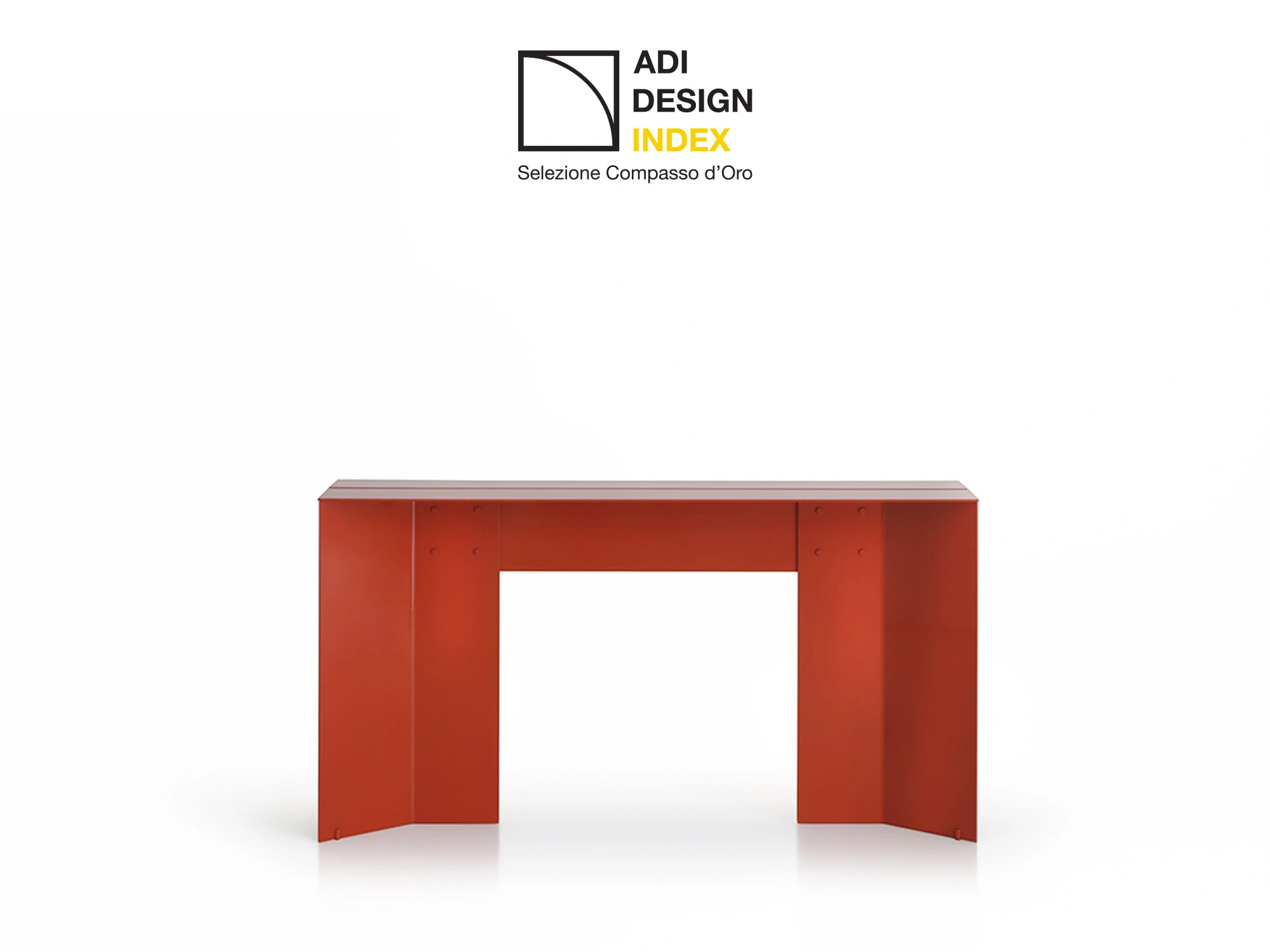
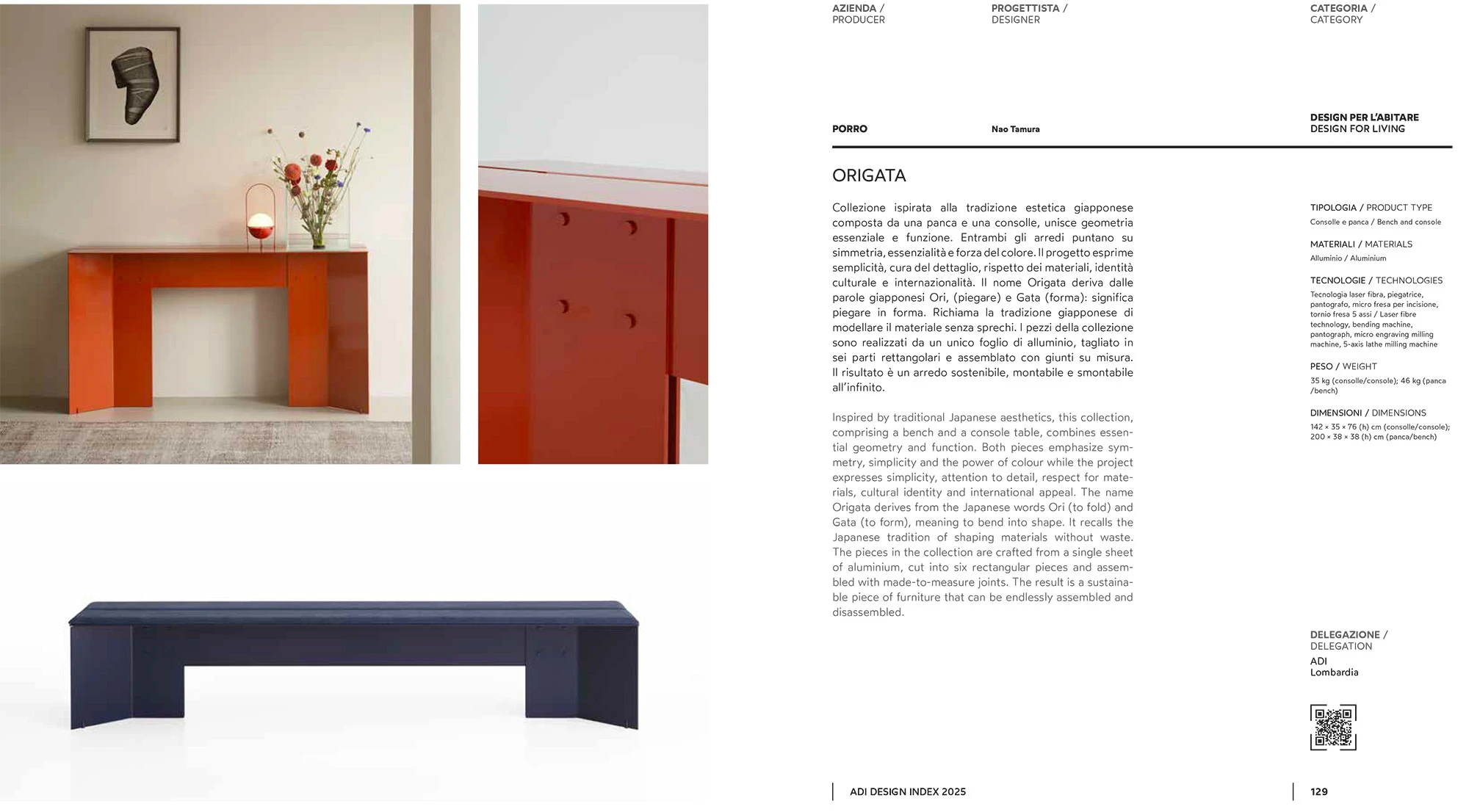
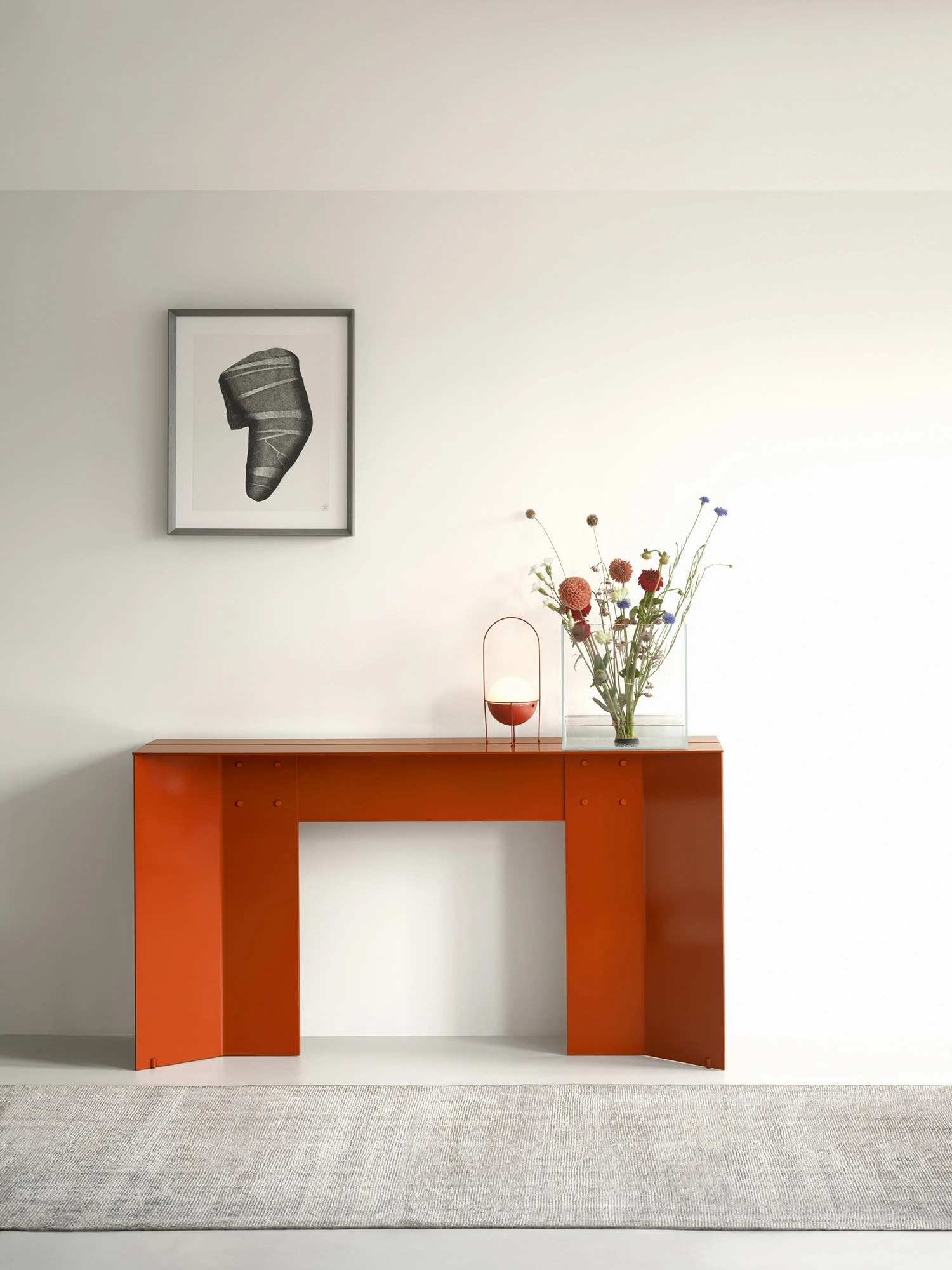
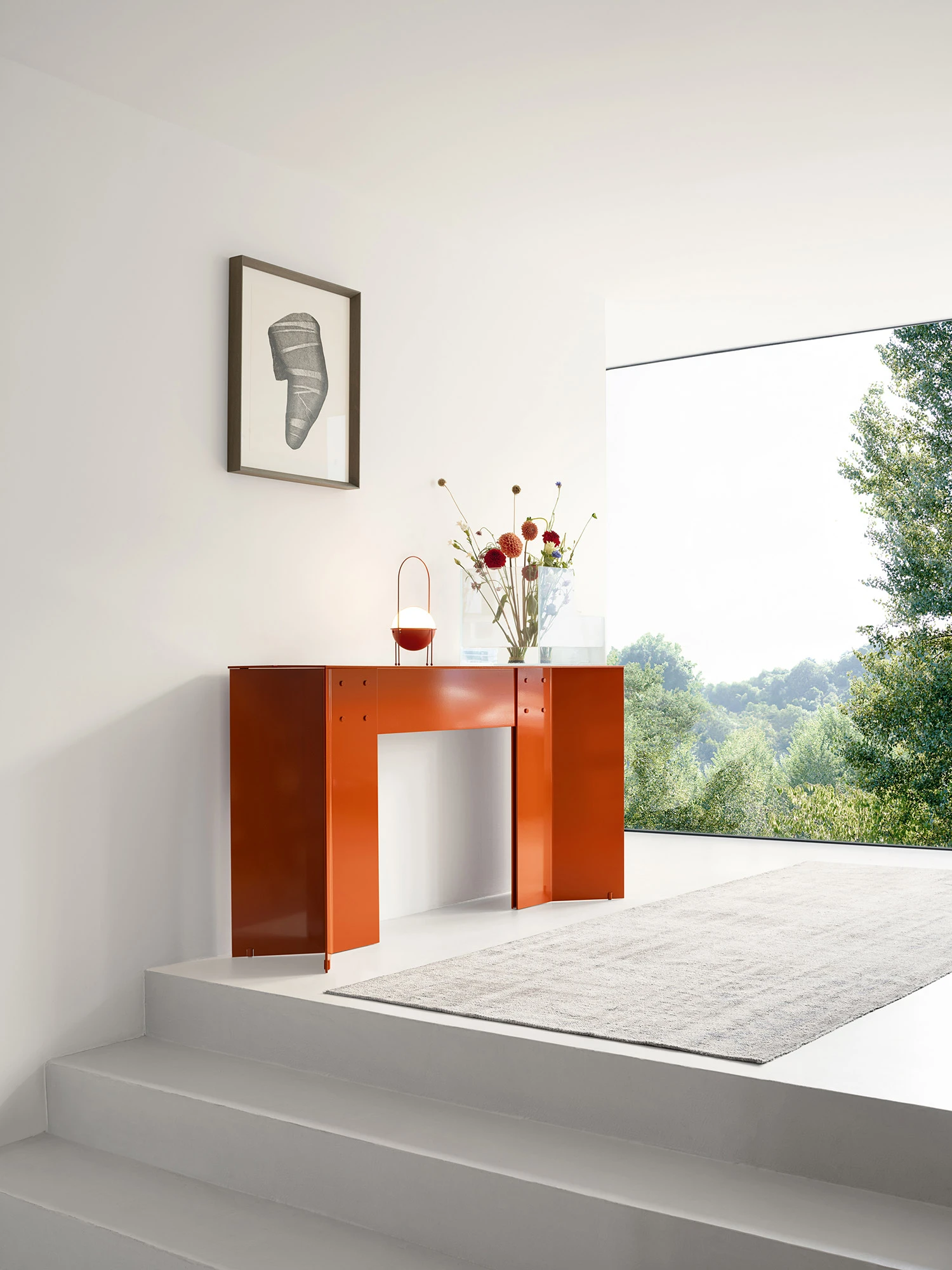
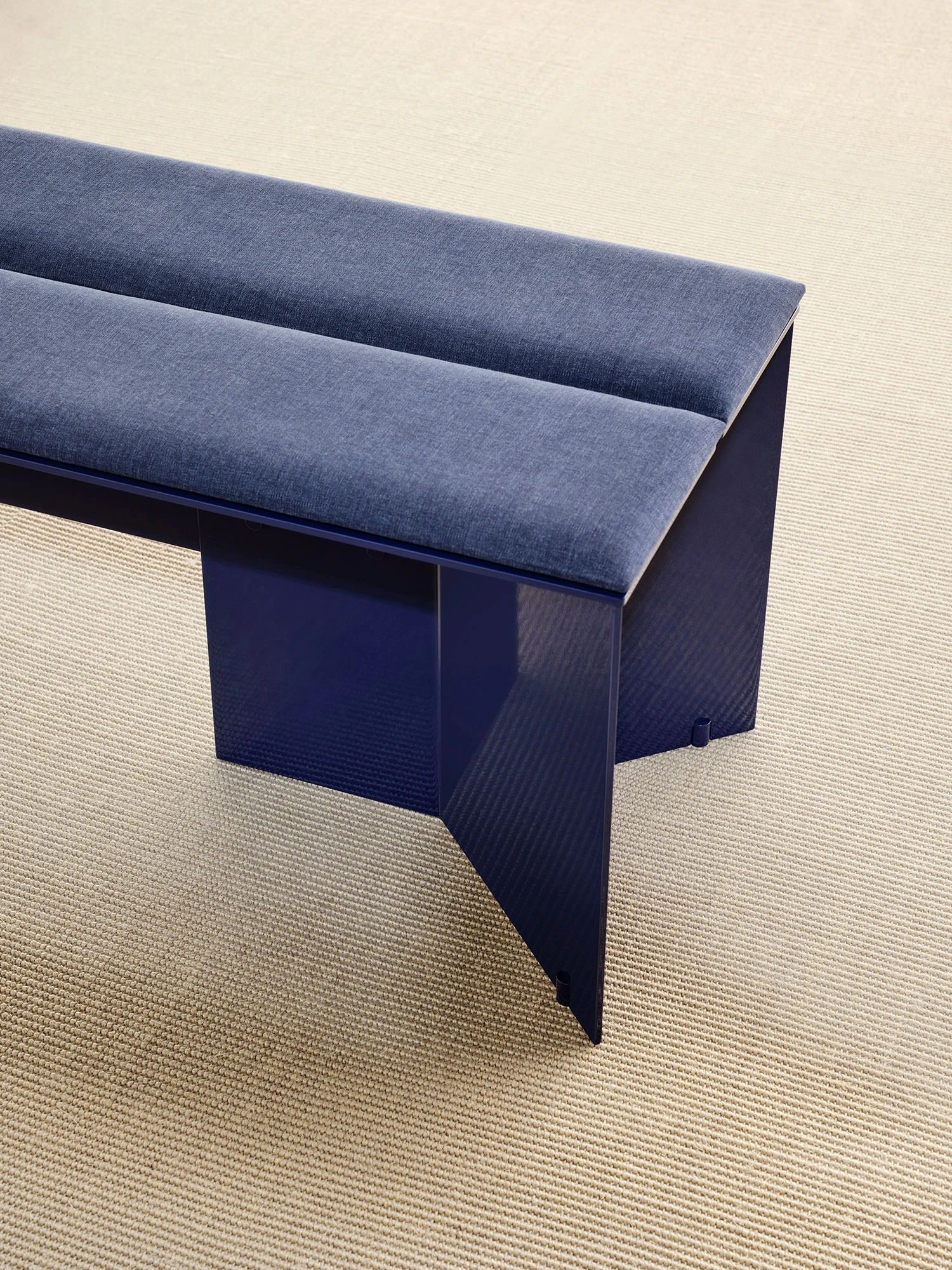
Origata, designed by Nao Tamura in 2024, has been officially selected for the ADI Design Index 2025 — the first step toward the Compasso d’Oro ADI Award 2026.
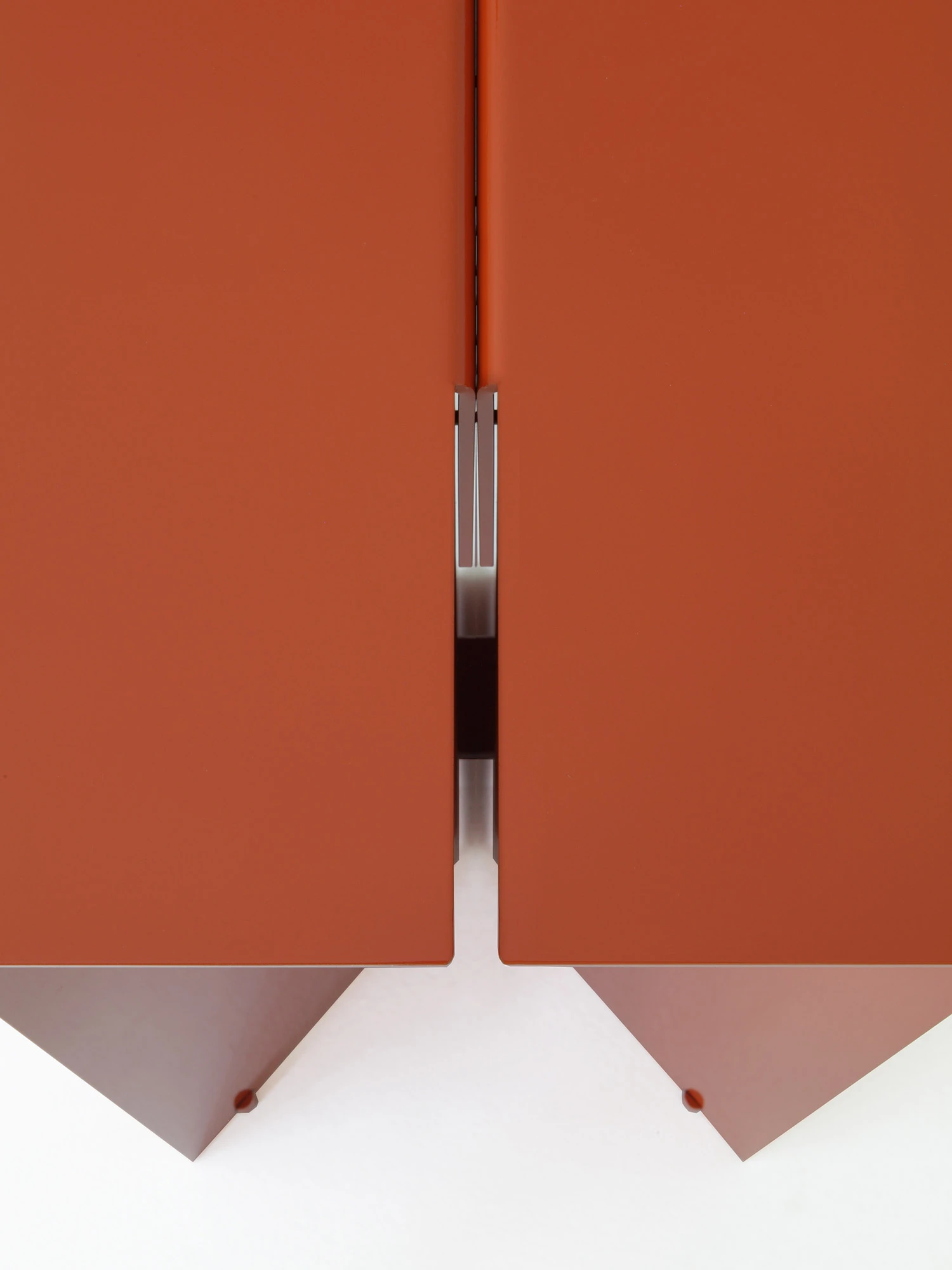
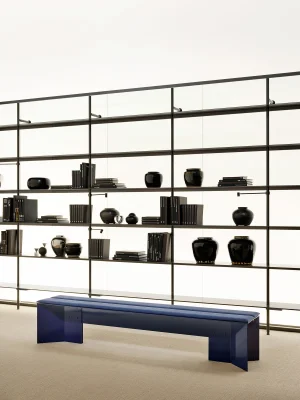
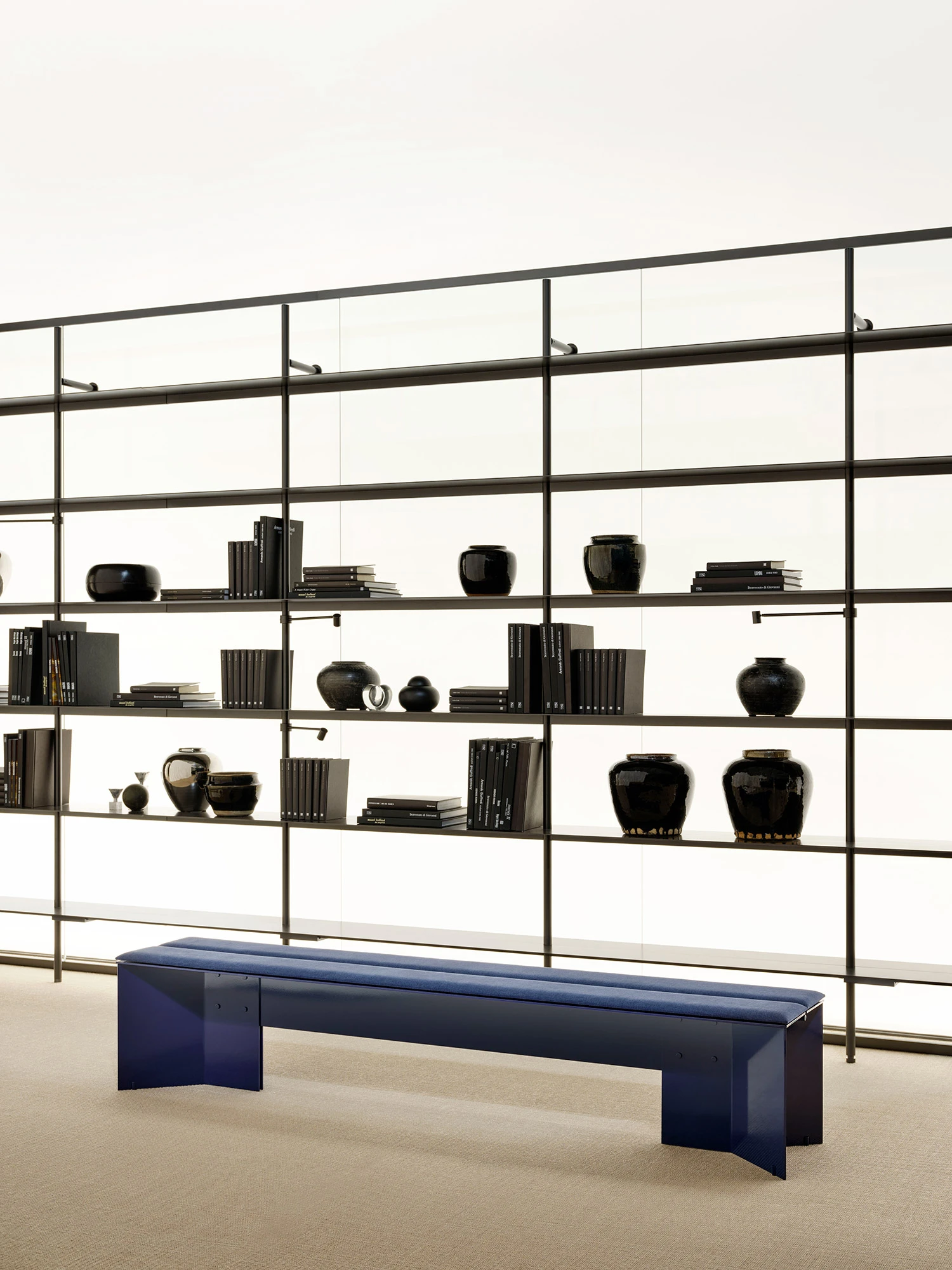
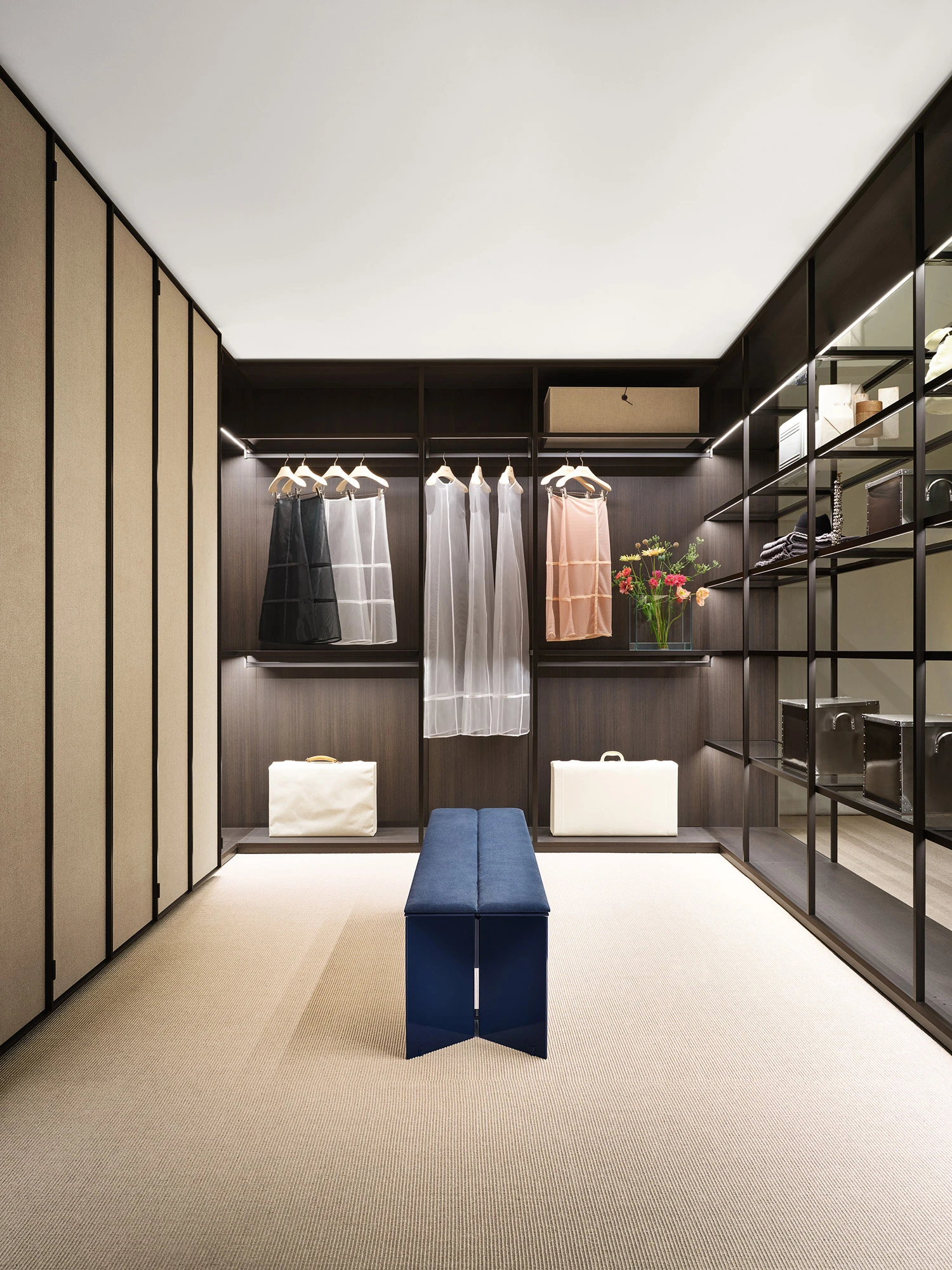
Inspired by the traditional Japanese technique used to tailor kimonos — where fabric is cut into geometric shapes with zero waste — the Origata bench and console stand out for their rigorous construction and vibrant finishes that celebrate the essence of the material. A balance of formal purity, meticulous detailing and symbolic value, the project is capable of translating tradition into a contemporary design language.
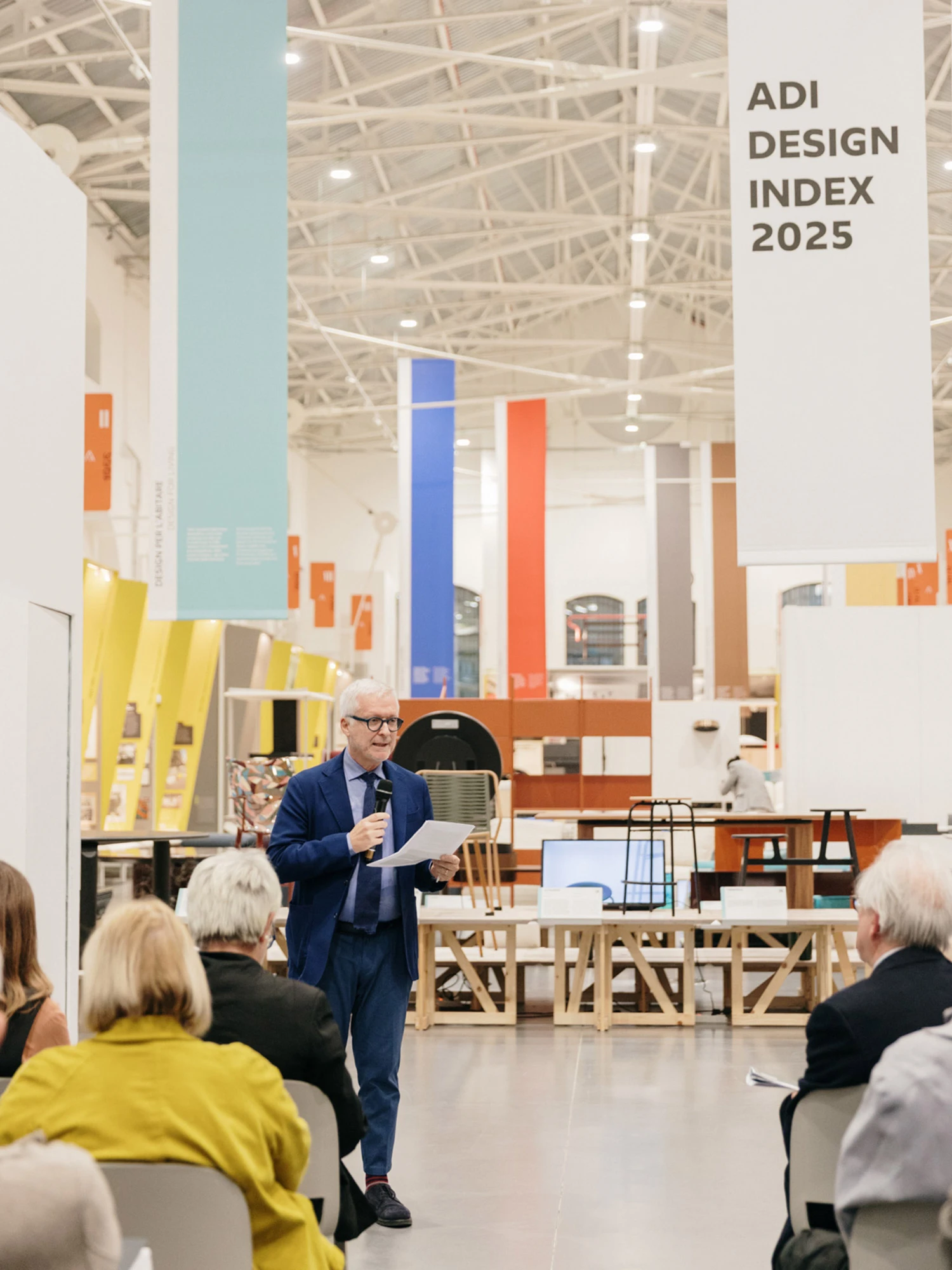
The ADI Design Index 2025 selection was curated by the ADI Permanent Design Observatory, under the supervision of a steering committee composed of Makio Hasuike, Domenico Sturabotti, Laura Traldi and Francesco Zurlo — leading voices representing a variety of experiences and sensibilities in the design world. This year’s edition features 344 projects, offering a wide and cross-disciplinary perspective on the quality of contemporary Italian design. The living space category is once again the most represented, with 69 projects exploring new ways of inhabiting the domestic environment. Among them, the project by Nao Tamura for Porro reflects the theme of living space, placing the human being at the center through objects that combine function, emotion and cultural awareness.
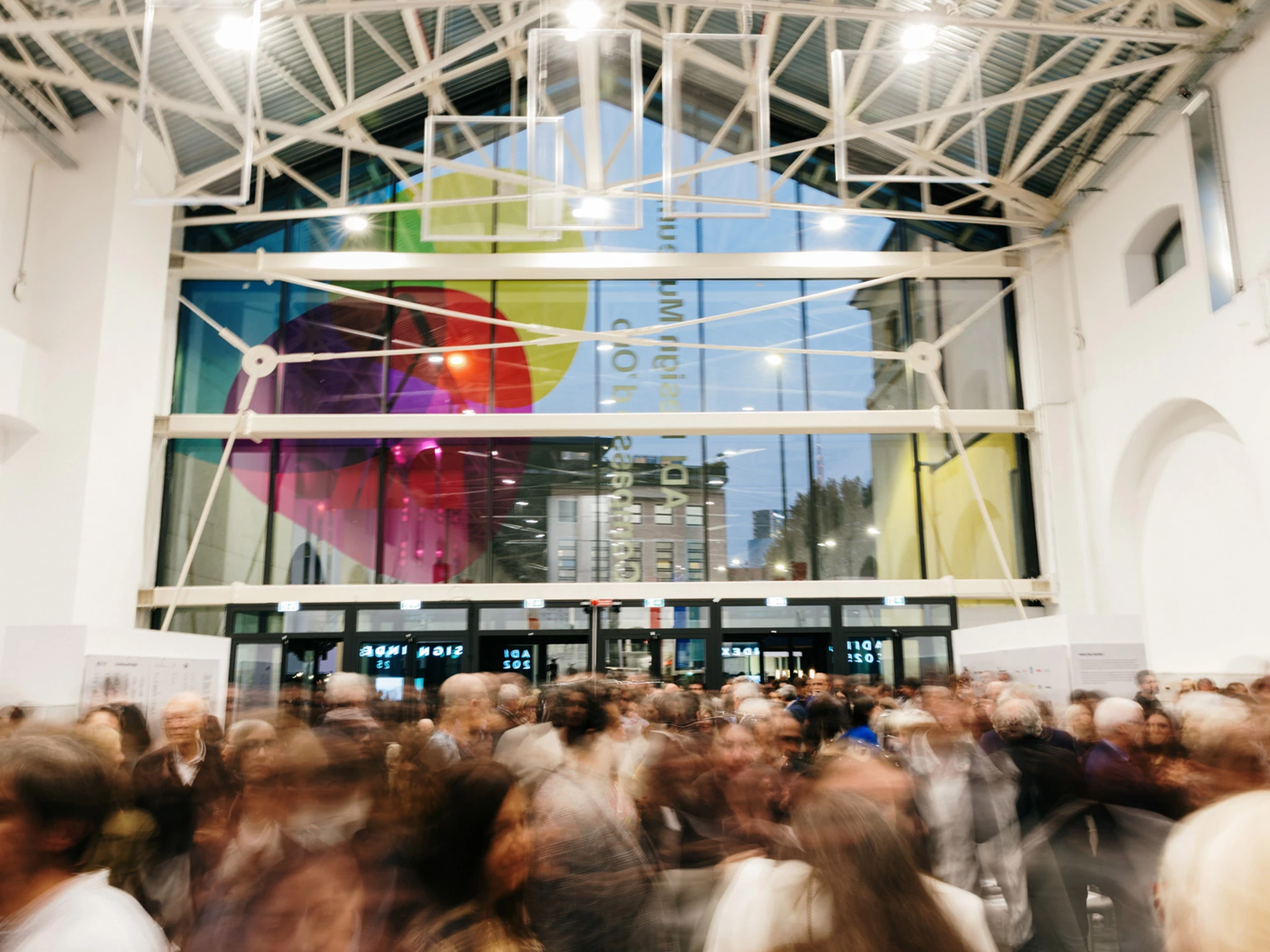
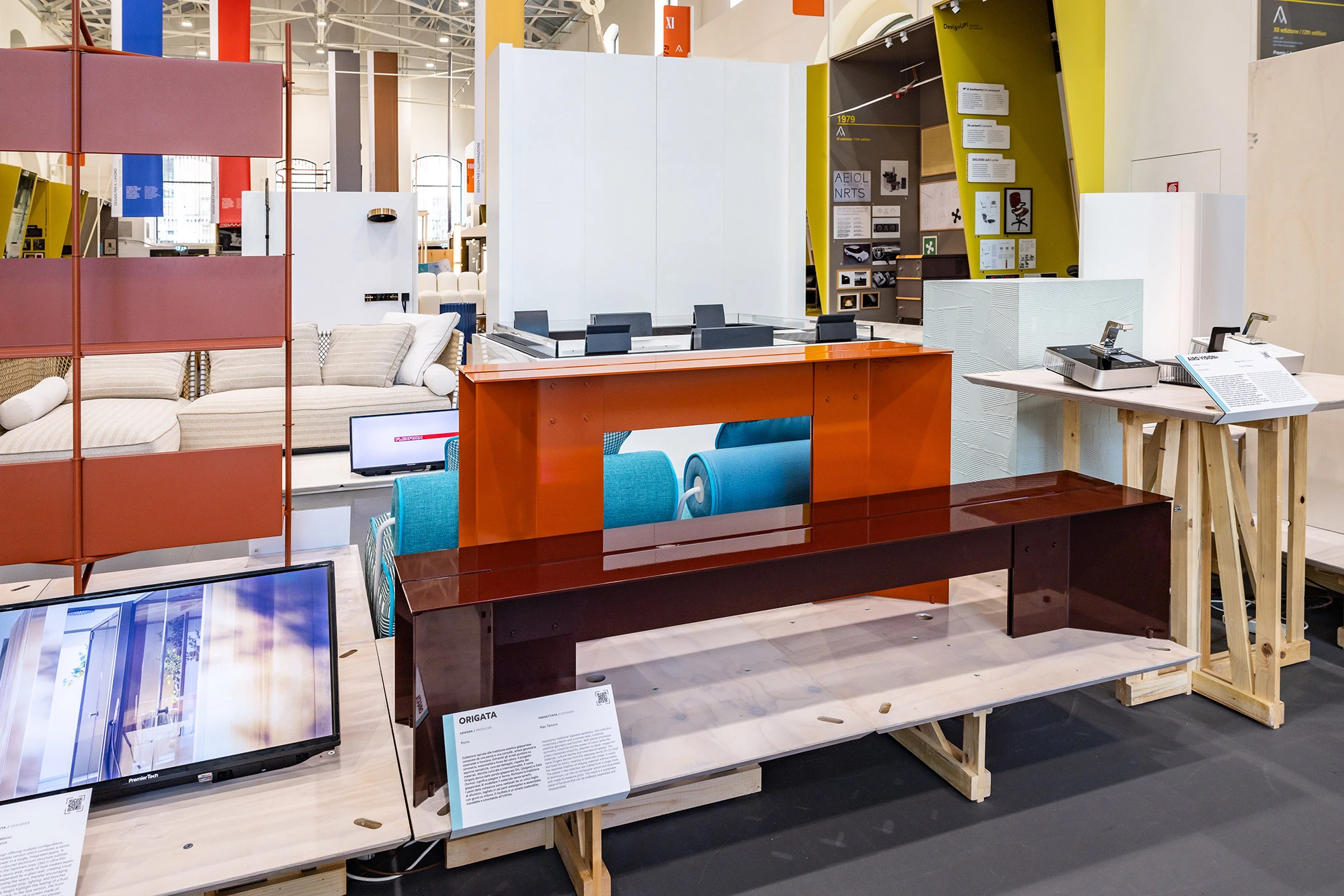
Starting this year, the ADI Design Index exhibition becomes part of the Italian Capitals of Culture initiative. The selected projects will be showcased in a travelling exhibition, open to the public from October 16 to 30, 2025 at the ADI Design Museum in Milan, and from November 12 to 28, 2025 at the Palacongressi in Agrigento, Italian Capital of Culture 2025.
The selection and the tour add to the important international recognition that Origata has already received: winner of the Archiproducts Design Awards 2024, the Interior Design Best of Year Awards 2024, and the NYCxDESIGN Awards 2025 in the Residential Table category. A project that continues to stand out for its ability to merge aesthetics, functionality and meaning — carrying forward a vision of design as a bridge between material culture and everyday experience.
Origata selected for the ADI DESIGN INDEX 2025
16.10.25





more images /
less images -